


If you live in Teesside, chances are you’ve asked this question at some point, especially after a long winter. Heating bills rise, cold draughts creep in, and certain rooms never seem to feel quite as warm as they should. Many homeowners in places like Hartlepool, Billingham, Norton and Stockton wonder whether replacing their windows would genuinely make a difference, or whether it’s just another home improvement promise that sounds better than it delivers.
The short answer is yes, new windows really can make your home warmer. The longer answer is more interesting, because it depends on how your current windows perform, how your home is built, and how our local weather affects heat loss throughout the year.
At Above & Beyond Windows, we spend a lot of time explaining this to homeowners across Teesside. Warmth isn’t just about turning the heating up. It’s about keeping the heat you’ve already paid for inside your home, and that’s where modern windows play a much bigger role than many people realise.
Why Teesside homes feel the cold more than expected
Teesside’s weather has a particular character. We don’t always get the extreme snowfalls seen further north, but we do experience long periods of damp cold, strong coastal winds and sudden temperature drops. In Hartlepool, especially in areas closer to the coast, wind chill can make homes feel colder even when the heating is on. In Billingham and Stockton, open layouts and older housing stock can struggle to retain heat during prolonged cold spells.
Many homes across the region were built decades ago, at a time when energy efficiency standards were far lower than they are today. Single glazing and early double glazing were never designed to cope with modern expectations of comfort. Even properties that appear solid and well maintained can lose a surprising amount of heat through ageing window frames and outdated glazing units.
This is why so many homeowners tell us that certain rooms are always cold, no matter how high the thermostat is set. The issue often isn’t the boiler or the radiators. It’s heat escaping through the weakest parts of the building, and windows are one of the most common culprits.
How heat actually escapes through old windows
To understand how new windows make a home warmer, it helps to understand how heat is lost in the first place. Heat naturally moves from warm areas to cold ones. In winter, that means the warmth inside your home is constantly trying to escape outside.
Older windows allow this to happen in several ways. Thin or poorly sealed glazing lets heat pass straight through the glass. Gaps around frames allow cold air to enter and warm air to escape, creating draughts that make rooms feel uncomfortable. Worn seals and warped frames reduce the effectiveness of even double-glazed units, especially in exposed areas such as Hartlepool or open estates around Stockton.
Over time, these small losses add up. Your heating system works harder, rooms cool down more quickly, and you end up using more energy just to maintain a basic level of comfort.
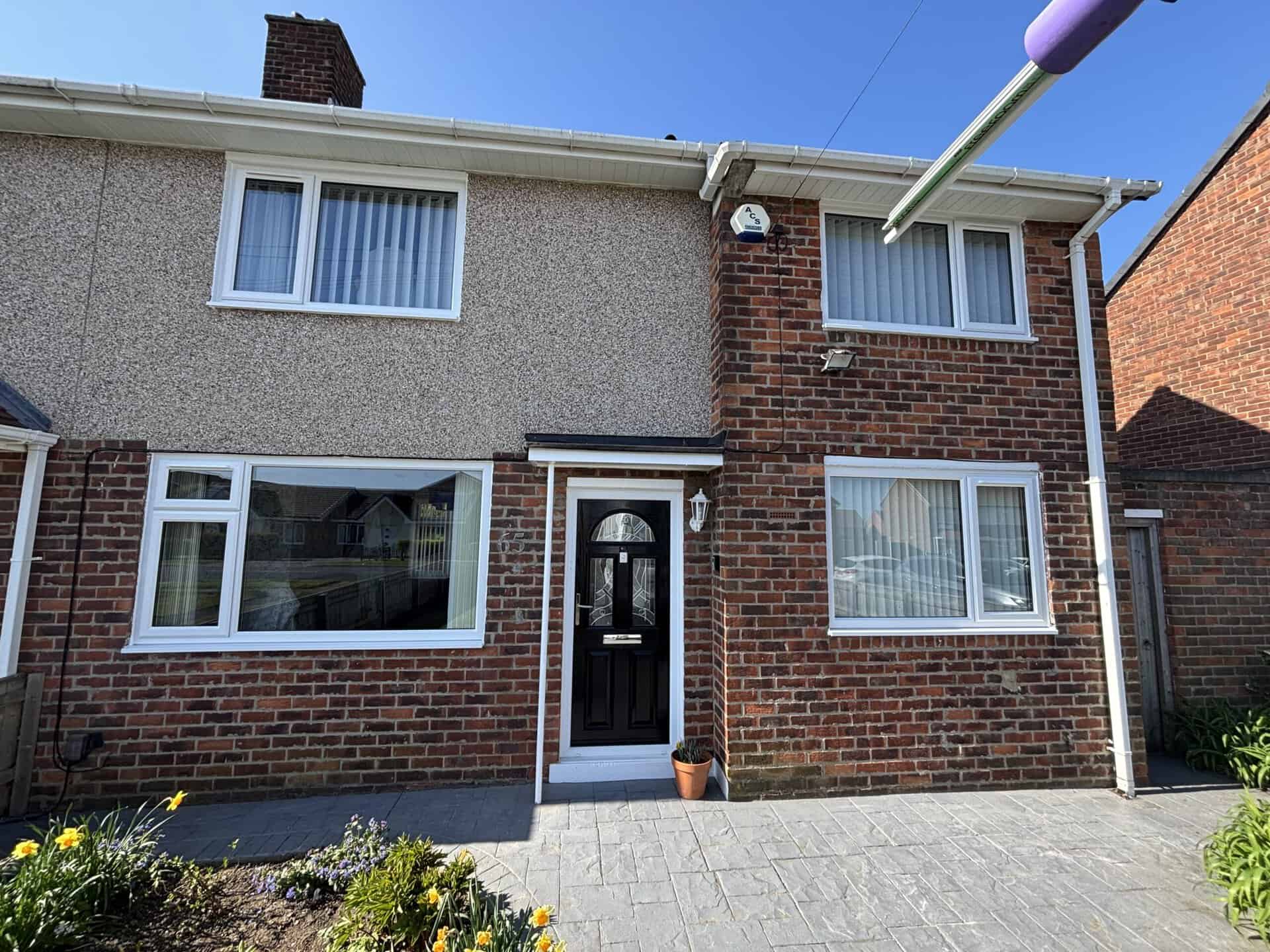
What modern windows do differently
Modern windows are designed with heat retention as a priority. Advances in glazing technology, frame construction and sealing methods mean today’s windows perform far better than those installed even twenty years ago.
Double and triple glazed units use insulated gaps between panes to slow the transfer of heat. Low-emissivity glass reflects warmth back into the room rather than letting it escape. Improved frame materials reduce thermal bridging, which is where cold travels through the frame itself rather than the glass.
In practical terms, this means your home holds onto heat for longer. Rooms warm up faster and stay warmer even when the heating cycles off. In places like Billingham, where many homes have large windows or patio doors, this difference can be especially noticeable.
The impact of local weather on window performance
Teesside’s climate plays a significant role in how windows perform. Cold, damp air combined with wind places extra strain on older glazing systems. Even a small draught becomes more noticeable when temperatures drop and the wind picks up.
In Hartlepool, coastal exposure means windows are often tested by salt air, moisture and stronger winds. Poorly sealed frames can allow cold air to penetrate, making rooms feel chilly even if the temperature inside appears acceptable. Modern windows are built to handle these conditions more effectively, with tighter seals and stronger frame construction.
In Stockton and Billingham, where many homes sit in open residential areas, wind-driven heat loss can also be an issue. New windows reduce this effect by creating a more consistent internal environment, helping rooms feel warmer and more stable throughout the day.
Why new windows change how warm a room feels
One of the most interesting things homeowners notice after installing new windows is that the house doesn’t just measure warmer, it feels warmer. This is because warmth isn’t only about air temperature. It’s also about surface temperature.
Cold glass radiates cold into a room, making it feel draughty even if the air itself is warm. When you replace old windows with modern units, the internal surface of the glass stays much closer to room temperature. That reduces cold spots and creates a more comfortable living space, particularly in rooms where you sit close to windows.
This effect is especially noticeable in living rooms, bedrooms and dining areas, where large windows are common. Many customers across Teesside tell us they can finally use rooms comfortably during winter evenings without feeling a constant chill.
Condensation, damp and warmth
Another factor closely linked to warmth is condensation. Older windows often suffer from condensation on the inside of the glass during colder months. While condensation itself isn’t a direct cause of heat loss, it’s a sign that warm air is meeting cold surfaces.
New windows reduce condensation by keeping internal glass surfaces warmer. This helps create a healthier living environment and can reduce issues with damp and mould, which are common concerns in older homes across Hartlepool, Billingham and Stockton.
Better ventilation options in modern window designs also allow homeowners to manage airflow without sacrificing warmth. This balance is crucial in tightly sealed homes where moisture needs to escape without letting cold air in.
Energy bills and long-term warmth
While the immediate benefit of new windows is improved comfort, there’s also a longer-term financial impact. When your home retains heat more effectively, your heating system doesn’t need to work as hard. Over time, this can lead to noticeable reductions in energy use.
With energy costs continuing to fluctuate, many homeowners across Teesside are looking for ways to make their homes more efficient without relying solely on heating upgrades. New windows form a key part of that strategy, particularly when combined with good insulation and sensible heating controls.
In towns like Billingham and Stockton, where family homes often have multiple external windows, the cumulative effect of upgrading can be significant.
Are new windows worth it for every home?
Every property is different, and the benefits of new windows depend on the condition of what you already have. Homes with very old or poorly fitted windows usually see the biggest improvement. Properties with early-generation double glazing can still benefit, especially if seals have failed or frames have deteriorated.
Even newer homes may benefit if windows were installed to a basic specification. We often find that homeowners in newer developments across Teesside are surprised by how much difference a higher-quality window system can make to warmth and comfort.
What matters most is having your windows assessed properly. A professional evaluation can identify draughts, heat loss points and performance issues that aren’t always obvious at first glance.
A warmer home across Teesside
So, do new windows really make your home warmer? In our experience, the answer is a clear yes. For homeowners in Hartlepool facing coastal winds, in Billingham dealing with exposed estates, or in Stockton managing older housing stock, modern windows can transform how a home feels during colder months.
They help keep heat inside, reduce draughts, improve comfort and support better energy efficiency. Most importantly, they make your home a place you actually enjoy being in during winter, rather than a space you’re constantly trying to heat.
At Above & Beyond Windows, we work with homeowners across Teesside to help them understand how their windows affect warmth and comfort. If you’re tired of cold rooms, rising bills and winter draughts, new windows could make a bigger difference than you think.
