

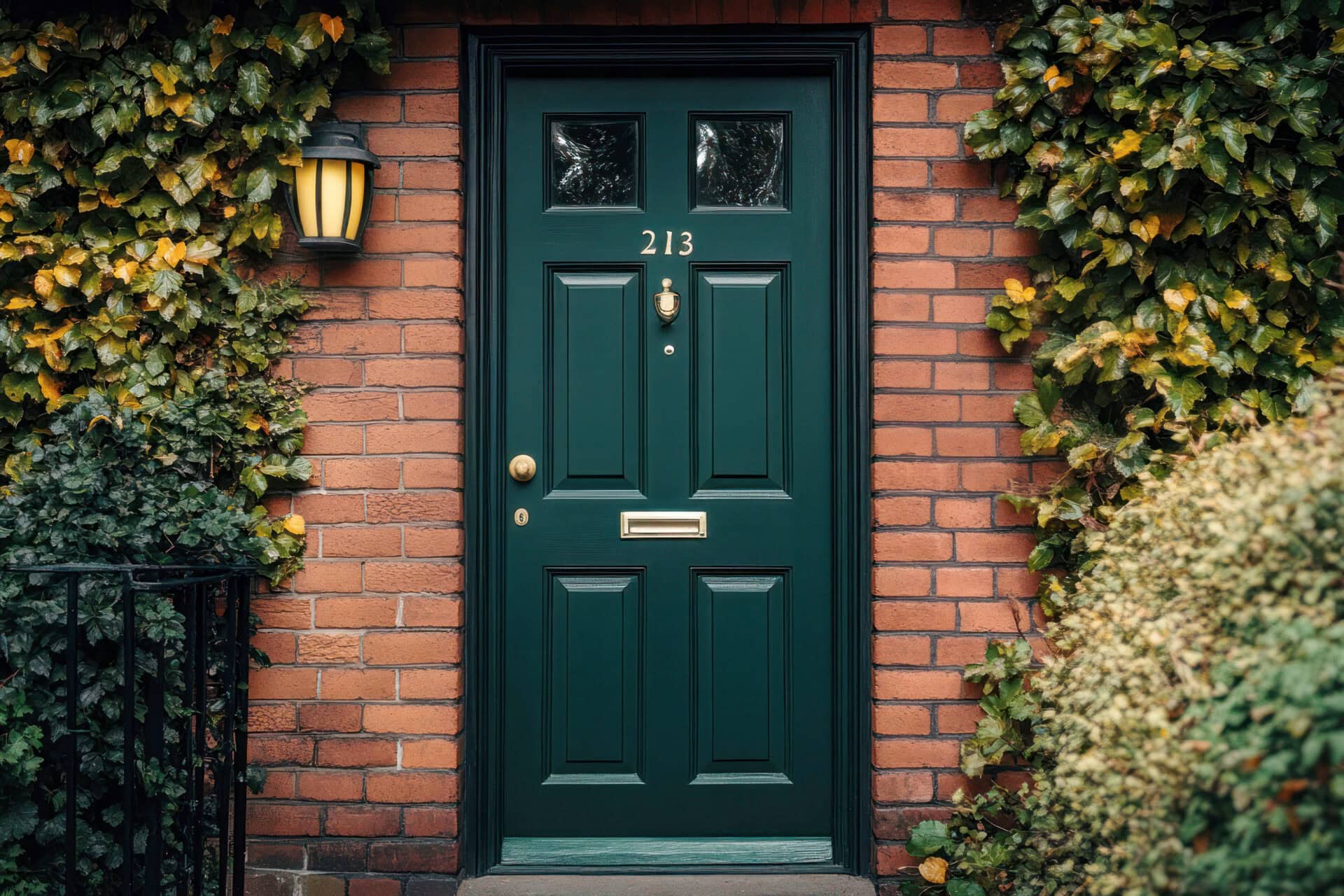
A new front door changes more than the appearance of your entrance. It affects how much daylight reaches the hallway, how easily you enter the house and how comfortably the door closes and locks each day. Choosing the right replacement means considering these details alongside colours and styles.
For homeowners in Redcar, the position of the property can also influence the decision. A sheltered entrance in a residential street has different exposure from a doorway facing towards the coast. This guide explains what to consider when choosing a composite front door, helping you prepare for a survey and compare suitable options for your home.
Start with What Your Existing Entrance Needs
Before looking at door designs, consider what you want to improve. You might dislike the appearance of the current entrance, but there could also be practical issues worth addressing during the replacement.
Perhaps the hallway feels dark, the handle is awkward to operate or the door catches against flooring. You may notice cold air around the frame or find that locking the door requires an uncomfortable amount of force. Explaining these concerns gives the installer a better starting point than choosing a colour alone.
Some problems may be repairable, so an assessment should establish the condition of the existing door and frame. Where replacement is appropriate, understanding the current difficulties helps shape a more useful proposal. Our range of composite doors in Redcar can then be considered around the improvements you actually need.
Understand What You Are Comparing
The term composite describes a door made using a combination of materials. It does not mean that every composite door has the same construction, performance or hardware.
Different ranges may use different core materials, outer surfaces, frames and locking arrangements. Glazing and accessories also affect the complete doorset. Two doors that look similar in photographs can therefore have different specifications.
When discussing options, ask which product is being quoted and what is included with it. An installer should be able to explain the main features in straightforward language and identify the choices available within that range.
If you are still deciding between materials, our uPVC and composite door comparison provides a useful introduction. Your property survey should then turn those general differences into a recommendation suited to your entrance.
Choose a Style That Belongs with the Property
A front door can be a distinctive feature without feeling disconnected from the rest of the house. Looking at the complete frontage helps you judge whether a design will remain appealing beyond the initial installation.
For an older property in Coatham, panel proportions and decorative details may be particularly relevant. A modern Redcar home might suit a simpler arrangement with less ornamentation. Neither approach needs to be applied rigidly, but the existing architecture provides a useful reference.
Look Beyond the Door Colour
Brickwork, window frames, roofline details and the shape of the opening all influence the result. Consider samples beside the property where possible, since colours can look different on a screen.
If new windows are part of your longer-term plans, discuss those intentions before ordering the door. Coordinating selected finishes now can make later improvements easier to bring together.
Balance Hallway Light with Privacy
Glazing is one of the most useful ways to change how an entrance feels. A solid door provides a different level of enclosure from a design with glazed sections, while the position of the glass influences where light enters.
For a home with a narrow or darker hallway, additional glazing may be worth considering. However, a door facing directly onto a pavement raises different privacy questions from an entrance set behind a garden.
Privacy glass can help obscure clear views, but the effect varies with the pattern and lighting conditions. Ask to see examples and discuss what matters most to you rather than assuming every decorative glass option provides the same result.
Existing side panels should also be included in the conversation. Their size, condition and relationship with the new door can affect the appearance and scope of the replacement.
Give Hardware and Everyday Access Proper Attention
Handles, letterplates and locks are often chosen towards the end of the process, yet they are the parts of the entrance you interact with most frequently. Their position and operation deserve the same attention as the door design.
Think about who uses the entrance and what they carry through it. Shopping bags, a pushchair or mobility equipment may make a particular handle position or threshold arrangement more convenient.
Check How the Entrance Will Operate
Discuss the opening direction, usable width and relationship with nearby walls or furniture. A door can look right from the street while feeling awkward within a compact hallway.
Ask how the selected locking arrangement works and which hardware is supplied. Security depends on the complete doorset and installation, so the discussion should cover the frame, hinges and glazing as well as the lock itself.
Consider the Position of Your Redcar Home
Exposure varies from one property to another, even within the same neighbourhood. An entrance beneath a substantial porch may receive less direct weather than an uncovered doorway facing open space.
For properties nearer Redcar seafront, discuss the suitability of finishes and hardware for the location. Coastal exposure also makes it useful to understand the care required after installation. Manufacturer guidance can recommend more frequent cleaning in coastal settings, so the instructions for the chosen product should inform your maintenance routine.
This does not mean choosing a door based on its material name alone. The product range, accessories, position of the entrance and fitting details all deserve consideration.
Tell the installer about any existing rain penetration or persistent draughts. These observations can help identify concerns around the opening that need assessing before the replacement is ordered.
Look at Insulation and Draughts Together
A hallway can feel uncomfortable because of air movement, heat passing through older materials or problems elsewhere in the property. Understanding the likely causes helps set realistic expectations for a new door.
The Energy Saving Trust’s guidance on energy-efficient doors explains that modern external doors typically incorporate draught-proofing and that composite and uPVC designs often have insulated cores. These features contribute to performance, but the complete installation still matters.
Ask about the performance information for the selected doorset, including any glazed sections. Frame installation and perimeter sealing should also be included in the discussion.
A replacement can help address weaknesses in a deteriorated entrance, but a fixed reduction in heating bills cannot be assumed. The result will depend on the existing door, the replacement and the wider home.
Compare Quotations Using the Included Work
A headline price is difficult to assess without knowing exactly what it covers. The door dimensions, glazing, colour, accessories and surrounding installation work can all influence the quotation.
One proposal might include replacing side panels and making good around the frame, while another may cover a simpler arrangement. Differences like these need to be understood before deciding which quotation offers better value.
Look for a clear description of the proposed products and fitting work. Ask about anything that remains uncertain, including internal trims, external finishing and the treatment of the existing threshold.
Guarantee information should also be considered alongside the price. Our product and installation guarantee terms explain the cover that applies to different elements, helping you review the proposal with a clearer understanding of the supplied protection.
Use the Survey to Make the Final Decision
A survey provides the opportunity to bring your preferences and the practical requirements of the opening together. Measurements are important, but the visit should also establish how the entrance is used and what work is needed.
Explain your budget, preferred appearance and any concerns about privacy, access or comfort. Photographs of designs you like can help communicate your ideas, provided the final choice remains suitable for the property.
If other improvements are planned, mention them during the same conversation. For example, replacement windows in Redcar may influence your preferred frame finish or glazing details.
Taking time over these decisions can make the finished entrance more satisfying to use. The aim is a door that works with the house and household, supported by a clear installation proposal.
Discuss Your New Entrance with Above & Beyond Windows
Choosing a composite front door becomes easier when appearance, practical access and product details are considered together. A suitable design should complement your Redcar home while addressing the reasons you wanted a replacement in the first place.
Above & Beyond Windows helps homeowners compare suitable entrances as part of our wider selection of doors in Redcar. We assess the opening, explain available options and prepare a quotation around the proposed work.
To start planning your replacement, contact our team for a free quotation. We will discuss your priorities and help you choose an entrance that suits your property and everyday needs.
