

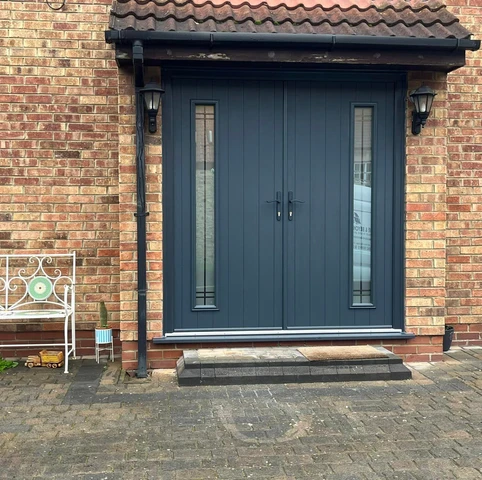
A front door has several jobs to do. It welcomes visitors, gives your home its first impression and provides the entrance you use every day. Choosing a replacement means thinking about how it looks alongside your windows and brickwork, but also how it feels when you arrive with shopping, answer a delivery or leave on a wet morning.
For homeowners considering replacement doors in Stockton-on-Tees, the most useful starting point is the entrance itself. A design that looks attractive in a brochure still needs to suit your hallway, your privacy preferences and the way your household uses the space. Taking time over these details helps you choose with confidence.
Start with What Your Current Entrance Needs
Before looking at colours or glass patterns, spend a few days noticing your existing door. Does the hallway feel dark? Is the handle awkward to use? Does the open door catch a shoe rack or stop you reaching the stairs? Small frustrations are easy to accept until a replacement gives you the chance to address them.
Write down what you would like to keep as well. You might appreciate a clear view of visitors, a particular opening direction or a door style that complements the house. Keeping these useful features helps you avoid choosing purely on appearance.
The same approach works whether you live in Hartburn, Fairfield, Norton or Oxbridge. Your postcode gives an installer a location, but the position of the entrance and your daily routine reveal what the new door needs to do. Explain those priorities early so they can inform the design.
Choose a Style That Fits the House
Stand back from your home and look at the entrance as part of the whole frontage. Consider the shape of the windows, the brick colour, any porch and the proportions of the opening. A door with several decorative panels can feel quite different from one with a simple glazed section, even when both use the same colour.
For a home with traditional detailing, panelled designs and restrained glazing may provide a useful starting point. A simpler frontage might suit cleaner lines. These are design choices rather than fixed rules, and your own preferences still matter.
Look closely at the frame and any side panels, too. Replacing the central door while overlooking the surrounding glazing can leave the entrance feeling unfinished. Ask which combinations are available for the measured opening, and compare the complete arrangement rather than judging a door leaf on its own.
Balance Daylight with Privacy
Glass can change the feel of a hallway, but its position deserves careful thought. A glazed section at eye level creates a different relationship with the outside from a smaller panel higher in the door. Side panels also need consideration, particularly if they provide a direct view towards stairs or living spaces.
For a home around Hartburn Lane or near Norton High Street, look at the actual distance between your entrance and the pavement. If people pass close to the door, privacy may take priority over a clear view. Where an entrance is set back, you may prefer a different balance.
Ask to see the available glass patterns and discuss how much visibility each offers. Consider the view when the hallway lights are on as well as during daylight. A sample helps you judge the appearance more usefully than a small photograph, while the installer can explain the specification.
Coordinate Colour and Door Furniture
A new door does not have to match every window frame. Sometimes a contrasting colour makes the entrance feel more inviting. The aim is to choose a combination that works with the features you intend to keep, including gutters, porch fittings and existing external finishes.
View colour samples against the brickwork where possible. A shade that looks appealing on a screen may appear different outside, and a sheltered porch can make it look different again. Think about the inside face, too, especially if your hallway has a lighter colour scheme.
Handles, letterplates, knockers and numerals deserve the same attention. Decide which items you actually need and whether their finishes work together. Agree their positions before ordering, particularly where decorative glazing or panel shapes affect the available space. These details can make a simple design feel carefully considered.
Check the space outside the door as well. A wall light, doorbell or house number may sit close to the frame, and its position can affect the finished appearance. If you are also updating the porch or entrance steps, explain that during the survey so the proposed door can be considered alongside the wider work.
Compare the Actual Door Specification
Composite and uPVC are both options worth discussing, but the material name alone does not tell you everything about a particular door. Compare the construction, glazing, hardware, available styles and care instructions for the products being quoted. Ask the installer to explain any differences in plain language.
If you want more background before choosing, our guide to uPVC and composite doors explores the two materials. Use that information alongside the specification for your own entrance, rather than assuming every product within a category performs identically.
Maintenance should also form part of the conversation. Find out how the surface should be cleaned, what checks the hinges and locks need, and which products the manufacturer advises against using. Clear instructions help you look after the door properly and give you a realistic picture of ownership beyond installation day.
Think About Handles, Opening and Access
Try to picture using the proposed door with your hands full. Handle position, grip and locking operation all matter, particularly for anyone who finds certain movements uncomfortable. Ask how the door opens and locks, and request a demonstration where possible.
Opening direction needs to work with the hallway layout. Allow room for furniture, radiators, mats and the route through the house. A different arrangement may be worth discussing, but it should be assessed during the survey rather than assumed from a brochure image.
Mention pushchairs, walking aids or any other access requirements before the order is finalised. Discuss the threshold, the clear opening and the approach outside together. A lower threshold alone does not describe the whole route into the home, so ask what is suitable for your property.
Ask Clear Questions About Security
Security is a reason to ask for detail about the complete door, frame, glazing and locking arrangement. A reassuring product description should be supported by information about the actual specification being supplied. Ask which independent testing or certification applies and request the relevant documentation.
Secured by Design’s advice on buying doors explains why independently assessed security matters. It provides useful background for discussing product claims with a supplier, rather than relying on appearance or a broad promise of strength.
Make sure you understand everyday operation as well. Ask what you need to do to engage the locks fully and how the mechanism should be maintained. If you have particular requirements, raise them before choosing hardware so the installer can explain which options are available.
Consider Comfort as Part of the Design
A comfortable entrance depends on more than choosing a solid-looking panel. The Energy Saving Trust explains that modern external doors usually have draughtproofing around the door and frame, while composite and uPVC doors often include insulated cores. Its advice on energy-efficient windows and doors offers a useful overview.
Ask about the insulation and sealing of the proposed door, including any glazed sections and letterplate. Describe where you currently notice draughts so these concerns can be considered during the survey.
Keep expectations realistic. The improvement will depend on the existing door, the replacement specification and the installation. If the current door is otherwise sound, it may also be worth asking whether adjustment or draughtproofing could address the problem before deciding on replacement.
Agree the Details Before Ordering
A quotation is easier to assess when it records the choices you have made. Check the door style, colours, glazing, hardware and frame arrangement, along with the installation work included. Clarify removal of the old door, finishing around the opening and any work that needs separate discussion.
Set a budget around the features that matter most to you. If privacy and easier operation are the priorities, make sure they are covered before adding decorative extras. When comparing quotations, ask what accounts for any price difference. A lower total is only useful when you understand the product and work it includes. This helps you make a comparison based on clear information.
If you change a detail after receiving the quotation, ask for the revised specification and price in writing. This gives everyone the same reference when the door is ordered.
Read the relevant guarantee information and ask how it applies to the chosen product and fitting. Keep the final specification and care instructions together. Having these details available makes it easier to check the finished installation and seek help later if needed.
Plan Your New Entrance with Our Stockton Team
The right front door combines a style you enjoy with practical choices that suit your household. Daylight, privacy, handles, access and finishing all deserve attention alongside colour and material.
At Above & Beyond Windows, we help Stockton homeowners discuss those choices before committing to a design. Whether you have a clear idea or need help narrowing the options, contact our team to arrange a free quotation and talk through your entrance.
