

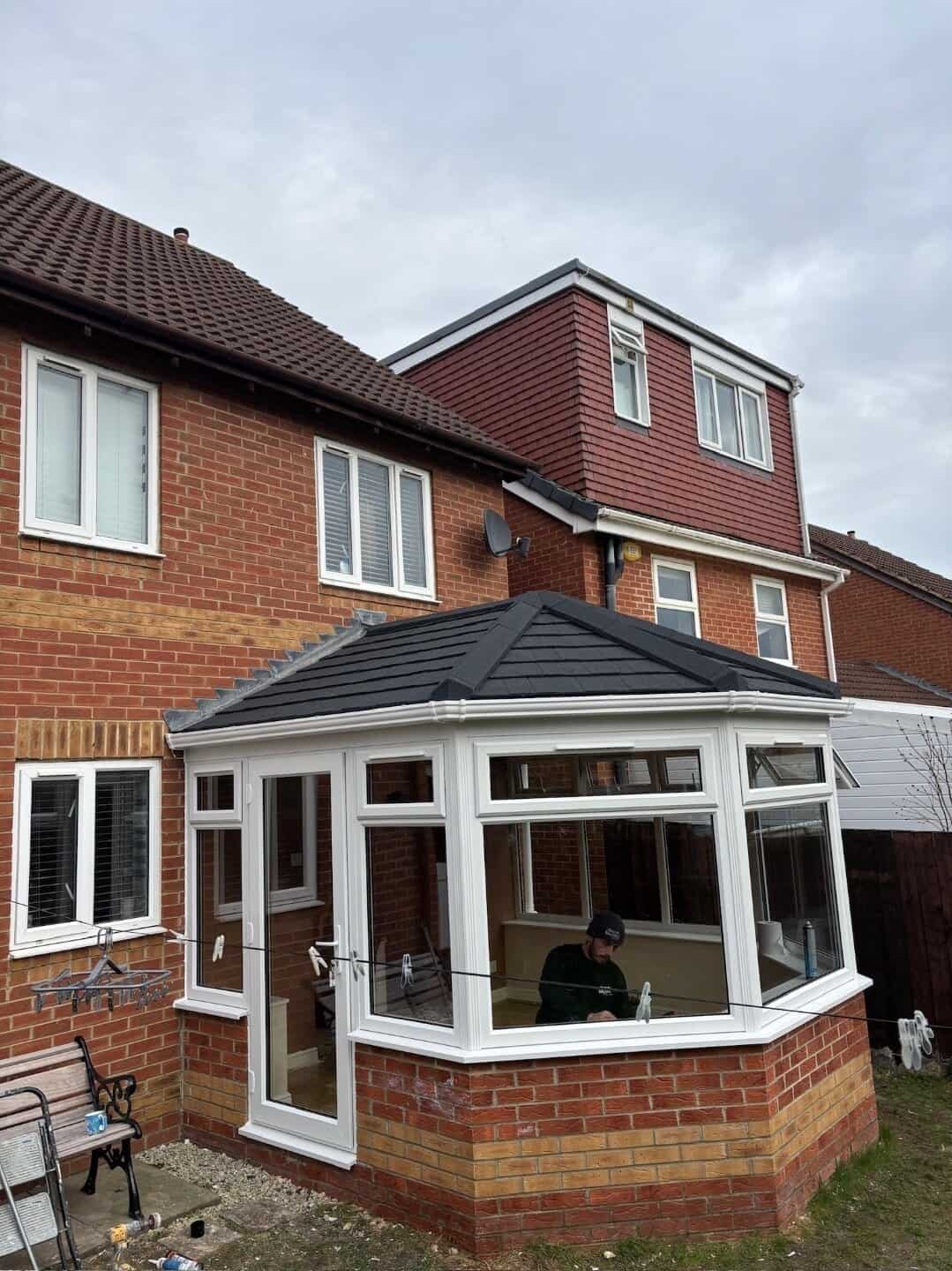
A conservatory roof can become frustrating for several different reasons. Perhaps water appears after heavy rain, the panels look tired or the room is uncomfortable when you want to use it. These concerns can feel connected, but they do not necessarily need the same solution. Before spending money, establish whether you are dealing with a repairable fault, a roof that no longer suits your priorities or problems affecting the wider conservatory.
For homeowners in Hartburn, Fairfield, Norton and elsewhere in Stockton-on-Tees, the decision starts with the existing structure and the result you want. Our conservatory roof replacement service provides an opportunity to assess those questions before choosing materials. A replacement should have a clear purpose, while a proposed repair should explain what it addresses and which concerns may remain afterwards.
Start by Identifying What Is Actually Wrong
Describe the problem as precisely as possible when arranging an assessment. Water appearing beside the house wall, for example, needs a different investigation from a room that feels uncomfortable during afternoon sunshine. Note when the issue occurs, where you first notice it and whether it follows particular weather. Photographs taken safely from inside or at ground level can help explain an intermittent problem without needing to access the roof.
Avoid assuming that a visible symptom identifies the faulty component. Water entry should prompt checks of relevant joints, seals, drainage and connections, while condensation requires consideration of moisture and ventilation. Similarly, faded or dirty panels do not establish whether the supporting roof is sound. Ask for findings that connect the observed problem to the recommended work, with any uncertainty explained before a quotation is accepted.
When a Targeted Repair May Make Sense
A repair may be worth considering where the problem is confined to an identifiable component and the rest of the installation remains suitable. The important question is whether the proposed work addresses the cause. Replacing or resealing one part should be supported by an assessment of its condition and compatibility, rather than an assumption that every leak needs a complete new roof.
Ask what the repair would include, what parts would remain and whether other concerns have been identified. It also helps to check any existing guarantee before commissioning work, particularly if the original installation is relatively recent. A repair can be a sensible choice when you already like the room and want to restore its function. Its value is less clear if your main aim is to change how the conservatory looks or performs.
Component availability also matters. Ask whether the proposed parts are compatible with the existing system and whether that compatibility can be established. If the roof’s make or specification is uncertain, the assessment may need further investigation. A repair recommendation is more useful when it explains what can be confirmed, what remains unknown and how those limits affect the proposed work.
When Replacement Deserves a Closer Look
Replacement becomes more relevant when several roof components need attention or when repairing the existing roof would leave your main concerns unresolved. You might stop a leak yet still avoid the room in winter, or renew damaged sheets without achieving the internal appearance you want. In those circumstances, compare the proposed repair with a replacement that addresses the broader brief.
Repeated repairs should also be discussed during the survey. They do not automatically prove that replacement is necessary, but the history can help an installer investigate why problems return. Bring previous invoices or photographs if available. The decision should reflect the remaining condition of the roof, the work needed now and your plans for the conservatory. There is no universal age at which every roof must be replaced.
Check the Structure Beneath the Roof
A new roof needs suitable support, so the assessment should extend beyond the covering. Existing frames, walls, connections and the base may all be relevant to the proposal. Retaining the same roof shape does not establish that every component can be reused, and a product described as lightweight still needs to be considered as part of the complete installation.
Discuss concerns about movement, distorted frames or doors that no longer close properly. These observations should be investigated before treating the project as a straightforward roof change. Where more extensive work is needed, compare a roof upgrade with a new conservatory. The useful question is which scope of work produces a suitable result for the existing property, rather than which option sounds simplest at the outset.
Choose Materials Around the Result You Want
Polycarbonate, glass and tiled systems offer different appearances and specifications. Our polycarbonate conservatory roofs can be discussed where retaining this type of covering is your preference. Ask about the sheet specification, finish and components included, especially if you are comparing replacement panels with a complete roof system.
For a glazed appearance, blue glass conservatory roofs provide another option to assess. Solar control and thermal insulation are separate properties, so the colour alone does not explain performance. Confirm the complete glazing specification and any cleaning coating included in the quotation, alongside how the roof will look from inside.
If you prefer an insulated structure with a tiled finish, explore SupaLite conservatory roofs. Discuss the ceiling treatment and any integrated glazing you want to consider. Compare the proposed systems against the same priorities, including appearance, daylight and intended use, rather than expecting every material to produce an identical room.
Match the Roof Project to Everyday Use
Think about what you would like to do in the conservatory once the work is complete. A space for occasional meals may have different priorities from a home office used every weekday. Explain whether you need a clear view overhead, softer daylight or an internal ceiling that suits the rest of the house. Those preferences help give the project a defined purpose.
Heating, ventilation and the condition of the other building elements also belong in that discussion. A roof replacement cannot establish the room’s overall performance on its own. Ask which improvements form part of the quotation and which existing features will remain. This helps you avoid planning furniture, electrical work or decoration around assumptions that have not been discussed with the installer.
Consider Daylight in the Adjoining Rooms
Your conservatory roof can affect the experience of the room behind it as well as the conservatory itself. Before changing materials, think about an adjoining kitchen or living room and how you use it at different times. A decision made solely from the garden view may overlook the way the roof looks and feels from inside the house.
Discuss glazing positions, available finishes and any proposed ceiling with the installer. Samples or drawings can help you understand the design, although they cannot predict every lighting condition. Explain where you normally sit, work or prepare food so the conversation relates to everyday use. Retaining daylight may be a priority even when you want a different roof finish.
Compare the Work Included in Each Quotation
Prices only become useful comparisons when you understand the scope behind them. One quotation might cover new panels, while another includes roof bars, drainage components and internal finishing. Establish which existing parts are retained, what is being replaced and how the specified materials differ. A lower initial figure may simply represent less work.
Ask about access, removal of the old materials and the arrangements for completing the installation. For properties with a narrow side passage or limited space around the conservatory, these details deserve discussion before the project begins. Read our guarantee information and confirm the cover applicable to the proposed work. Guarantee duration, product specification and installation scope should each be assessed on their own terms.
Request written clarification where quotations use different descriptions for apparently similar materials. Confirm whether finishing work is included and whether additional findings could change the price. An agreed specification gives you something concrete to refer to during the project, while a stated process for variations helps you understand how changes would be discussed before further work is authorised.
Confirm Planning and Building Control Requirements
Planning permission and building regulations are separate considerations. Changing a conservatory roof may fall within permitted development rights where the relevant conditions are met, but alterations to structure or appearance can affect the position. Applicable building regulations also need consideration, including structural safety, thermal performance and ventilation.
The Planning Portal’s conservatory roof guidance provides a useful starting point. Confirm the requirements for your property before work starts and establish who will deal with any applications or supporting documents. Product certification should also be distinguished from the approvals and evidence needed for your particular installation.
Make the Decision Around Your Stockton Home
The right choice starts with an explanation of the existing problem and a realistic brief for the finished room. A repair may suit a conservatory that otherwise meets your needs, while replacement offers an opportunity to reconsider materials and design. Wider structural concerns may require a different scope altogether, which is why the assessment matters.
Whether your home is near Ropner Park, around Norton High Street or elsewhere in the TS18, TS19 or TS20 areas, Above & Beyond Windows can discuss your roof replacement options. Tell us what you want to improve and what has happened with the existing roof. Share previous roof paperwork where available, as this may help identify the existing system accurately. Arrange a conservatory assessment to receive a quotation that explains the proposed specification and work for your property.
